This Ramadan, something beautiful happened every evening at Baitur Rahman Jame Masjid in South Baridhara Residential Area. As the azaan for Maghrib echoed across the neighbourhood, hundreds of people (neighbours, passersby, the needy, and the devout) gathered together to break their fast. Not alone, not at home, but together. In community.
Over the course of 30 days of Ramadan 1447, the Siraj Mia Memorial Foundation funded a full iftar distribution programme that ran every single day without interruption. And every Friday, we scaled up significantly to honour the blessed day of Jumu'ah.
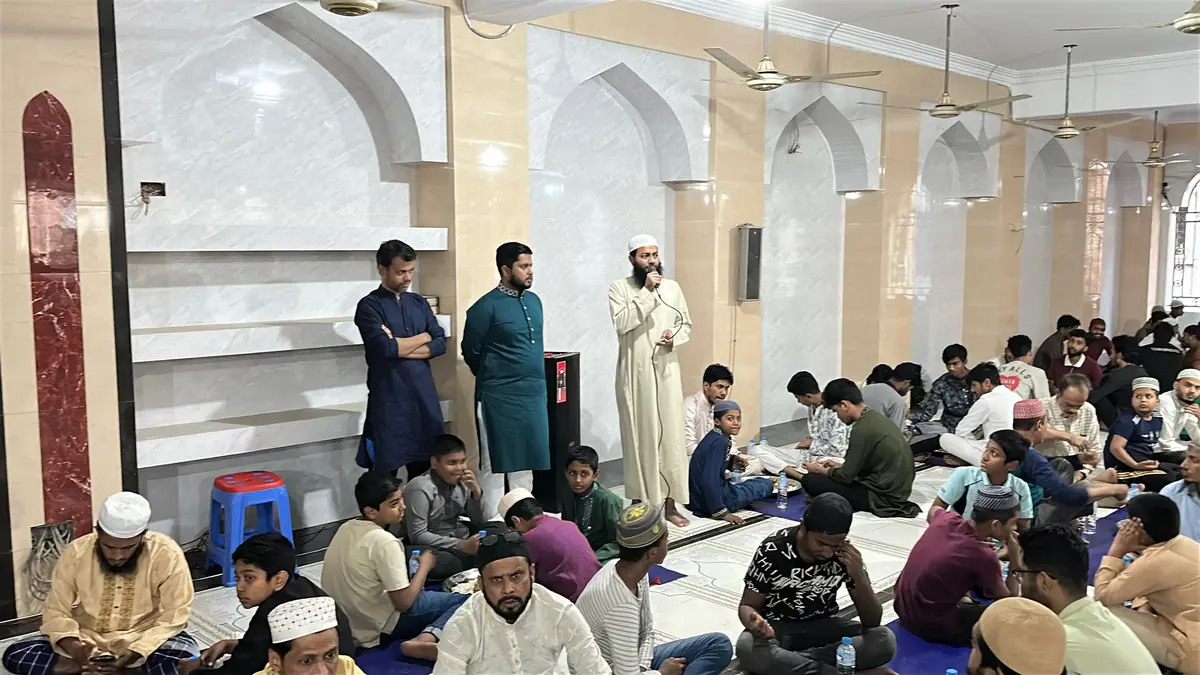
Hundreds gather at Baitur Rahman Jame Masjid to break their fast together
The numbers tell part of the story. 600 iftars distributed every day across 26 regular days. 1,100 iftars on each of the 4 Fridays. A total of 20,000 iftars served over the month. But the real story is what you cannot measure. It is the warmth of a shared meal, the quiet dignity of someone who had nowhere else to go finding a seat at the table, the festive spirit that filled the mosque courtyard as dusk settled over South Baridhara.
How It Came Together
This programme was entirely funded by the Siraj Mia Memorial Foundation, the non-profit established by my family nearly two decades ago to serve communities across Bangladesh. The Foundation has always believed that charity is most powerful when it is consistent, not a one-off gesture, but a daily commitment.
On the ground, the operation was run with tremendous energy and care by the volunteers of South Baridhara Youth Club. These are young men and women from the neighbourhood itself, people who understand the community because they are the community. They showed up every day, coordinated logistics, served with dignity, and made sure no one left hungry.
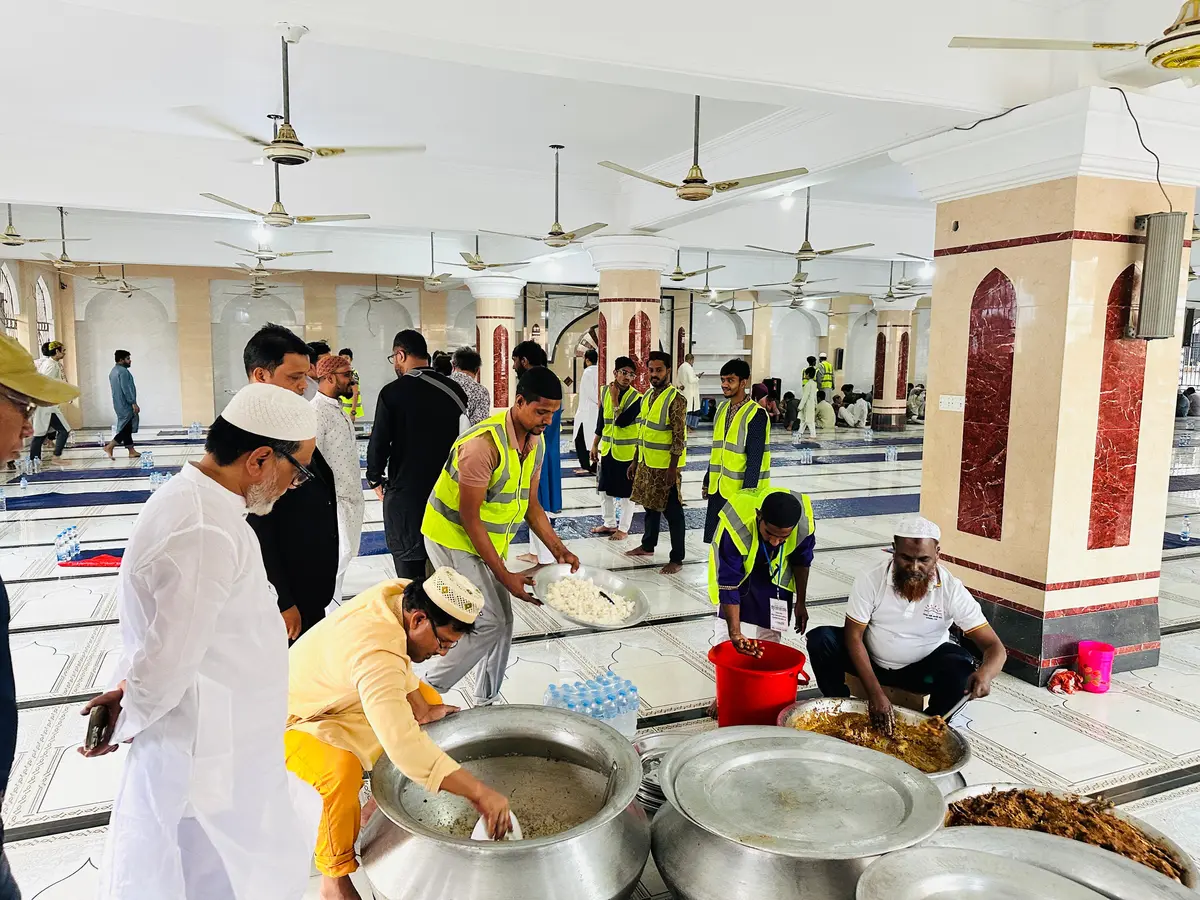
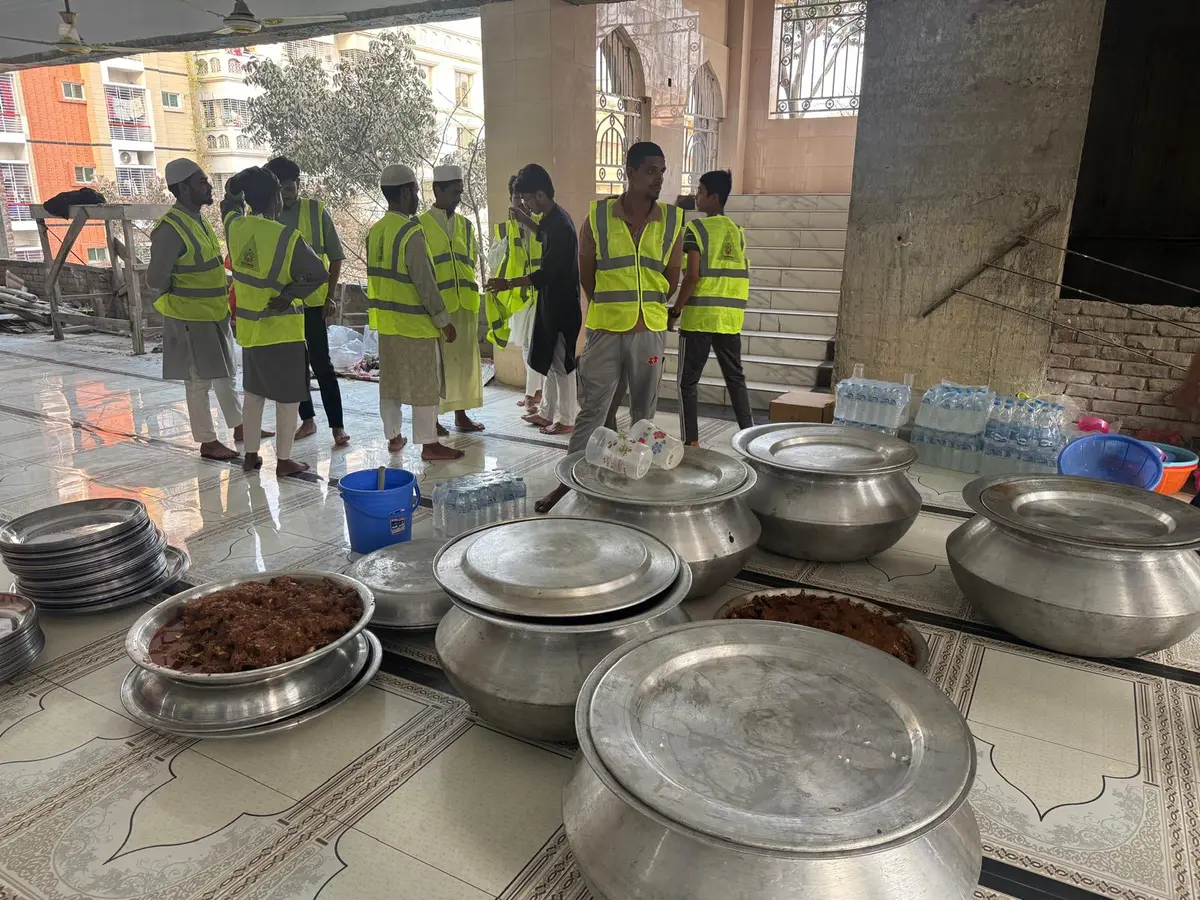
South Baridhara Youth Club volunteers preparing and serving iftar every evening
This is what it looks like when institutions work together. The Foundation provided the resources. The Youth Club provided the energy. The mosque provided the space. And the community provided the soul.
The Ecosystem in Action
I often speak about building institutions that outlast trends. The Ramadan programme is a small but vivid illustration of what that means in practice. The Foundation did not need to build new infrastructure or create a new committee. The Youth Club was already there, already trusted, already embedded in the neighbourhood. The mosque was already the community's spiritual home. We simply brought these pieces together around a shared purpose.
That is the quiet power of patient institution-building. When you invest in organisations over years, not just in capital but in people, trust, and culture, they become capable of mobilising quickly when the moment calls for it. Ramadan called. We answered.
The Response
The response from the community exceeded our expectations. People came in large numbers not just for the food, but for the experience. Families came together. Elders sat beside young people. Strangers became neighbours. The mosque was full of life in a way that felt rare and precious.
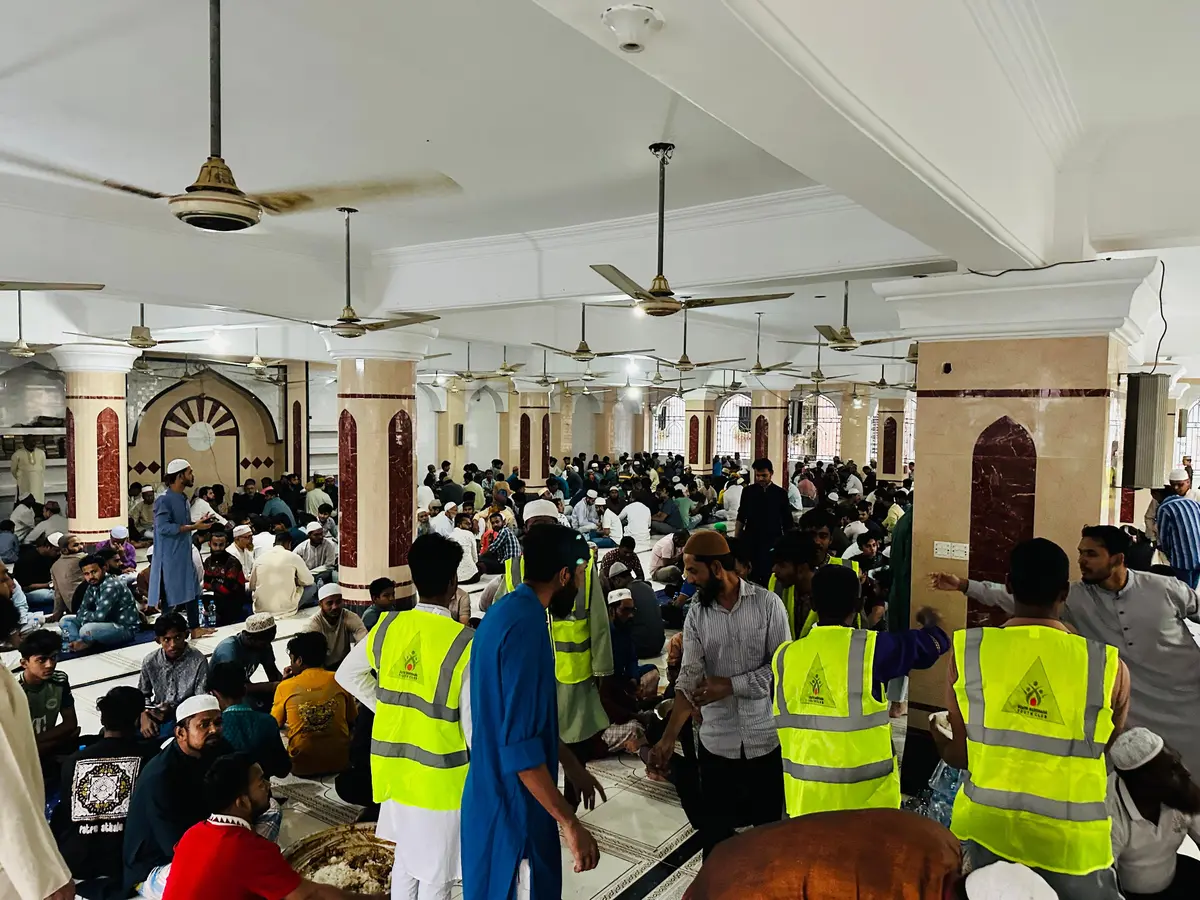
The mosque filled with community members as volunteers coordinate the evening's iftar
We received messages from residents across South Baridhara expressing gratitude. More importantly, they expressed a sense of belonging. That is the highest compliment any community initiative can receive.
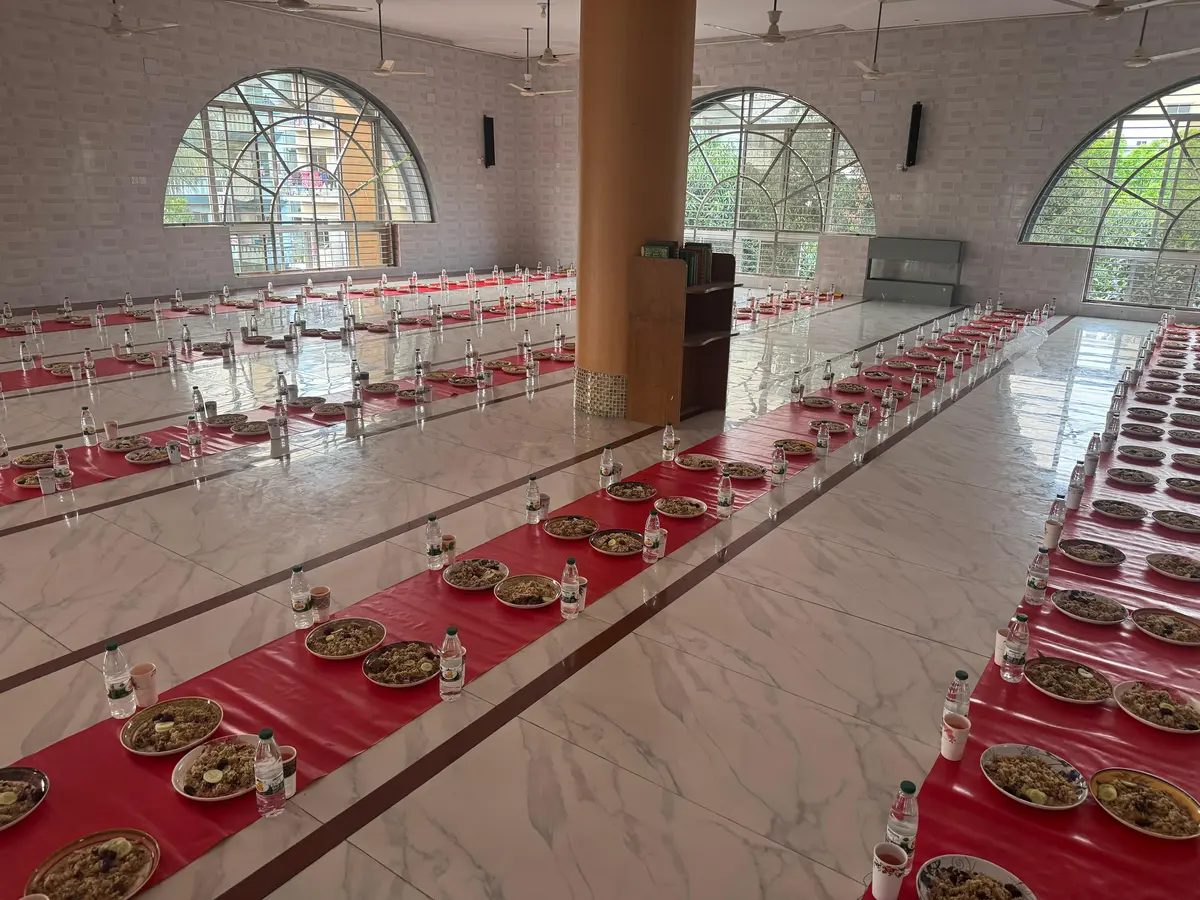
Iftar plates laid out with care, ready for the community before Maghrib
Looking Ahead
This will not be the last programme of its kind. The Siraj Mia Memorial Foundation is committed to making an impact not just in moments of crisis, such as floods and pandemics, but in the rhythms of everyday life. Ramadan is one such rhythm. Education is another. Food security is another.
To everyone who came to Baitur Rahman Jame Masjid this Ramadan, and to every volunteer who gave their time: Ramadan Mubarak, and thank you.